Trusted by 60+ organisations including




























































“The Green Software Foundation provides the neutral ground where peers and competitors collaborate on efficiency standards for the benefit of everyone.”

Every organisation's sustainability challenges feel unique. They rarely are. Our members identify the problems affecting the entire industry — then solve them together. The standards, frameworks, and strategies below exist because a member brought us a problem.



Four functions. Each one driven by member needs. Each one producing results the industry adopts.

Setting the benchmarks the industry measures against. Our members develop vendor-neutral specifications — from SCI to SOFT — through a collaborative process that's achieved ISO certification in record time.
Explore our standards →
Translating technical reality into regulatory language. Our policy working group tracks emerging legislation, publishes position papers, and gives members a voice before regulations are finalised.
See our policy work →
Building capability at every level. From the free Green Software Practitioner course (130,000+ completions) to advanced certification and cohort programmes — the learning journey that turns commitments into competence.
Start learning →
The evidence behind every decision. White papers, technical reports, and the State of Green Software — giving members and the industry the data to make the case internally and externally.
Read our research →Stories, research, and insights from our members and community.
 +9 more members
In autumn 2025, a group of GSF members reached consensus on the design foundation for SCI for Web. Here is what they agreed on, how the AI-assisted process worked, and what's next.
 +10 more members
In early 2025, AI experts from GSF member organizations participated in a workshop designed to define our approach to AI measurement and evaluate existing metrics. Today, we share the outcomes of these sessions.
 +6 more members
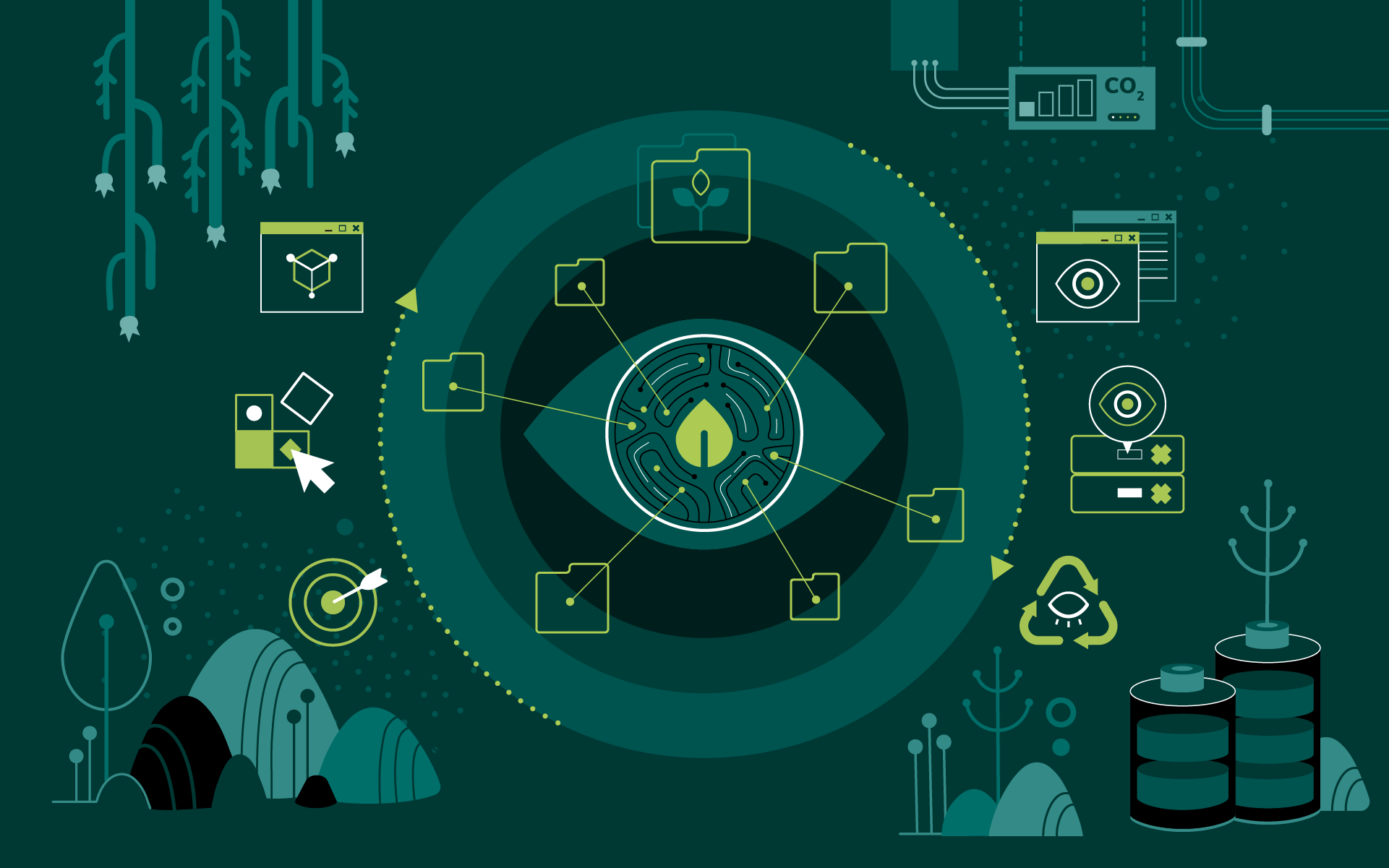
In a series of workshops in 2024, members of the GSF Green AI Committee defined Green AI, assessed its environmental impacts across the AI lifecycle, and outlined key actions for AI sustainability. In this paper, we share those outcomes.
 CAST
CASTCAST, NTT DATA, and UBS share how they are reducing their software emissions and laying a solid foundation for a greener digital future.
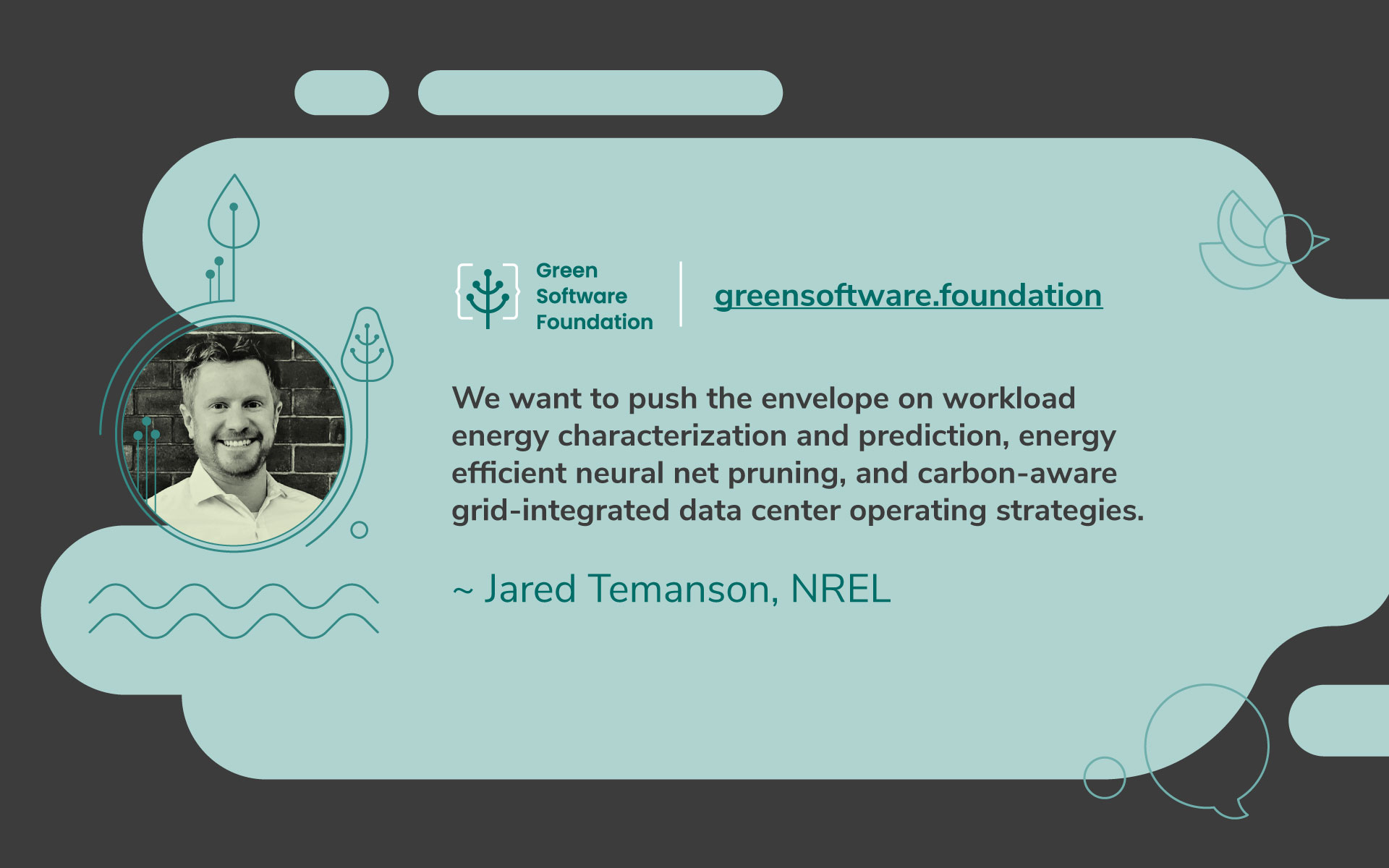
With a green energy mission and supercomputing capacity of 44 petaflops, NREL is predetermined to be at the forefront of the green software movement. Jared Temanson reveals more.
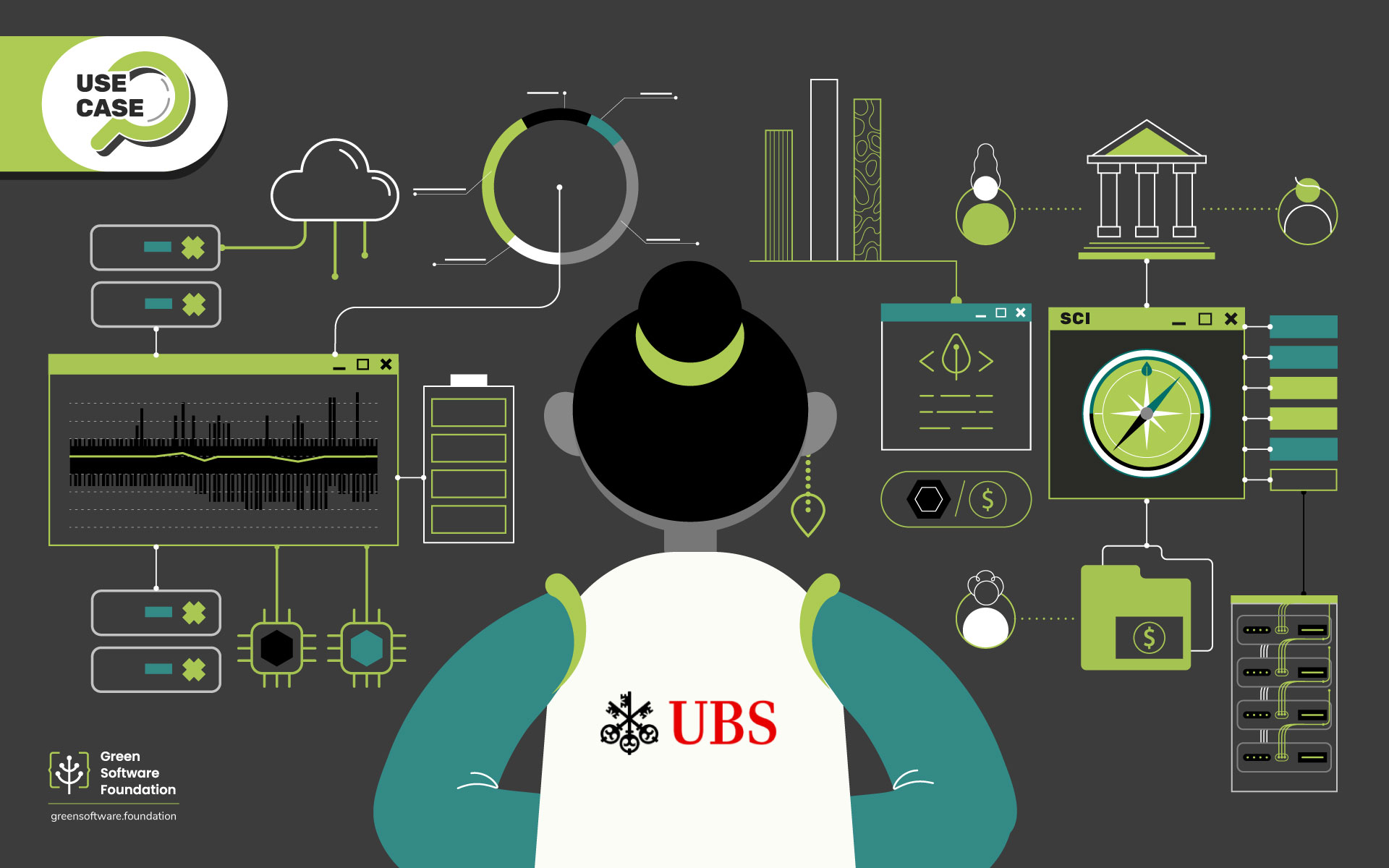
Using the SCI specification, UBS compares two banking applications with regard to their carbon emissions.
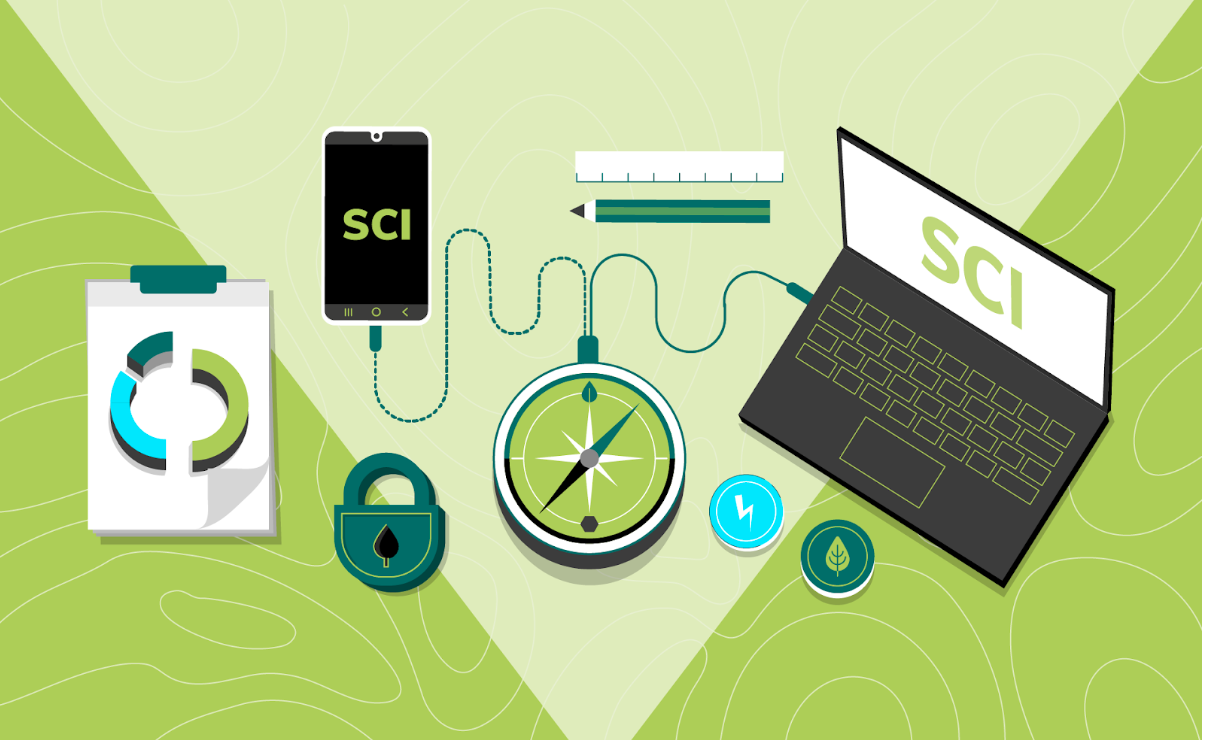
An in depth look at how Accenture implemented the SCI Specification Score to track software emissions.

The first enterprise-scale implementation of carbon-aware computing using the software carbon intensity (SCI) specification and carbon-aware-sdk is capable of avoiding multiple metric tons of CO2eq from entering the atmosphere -- every year.